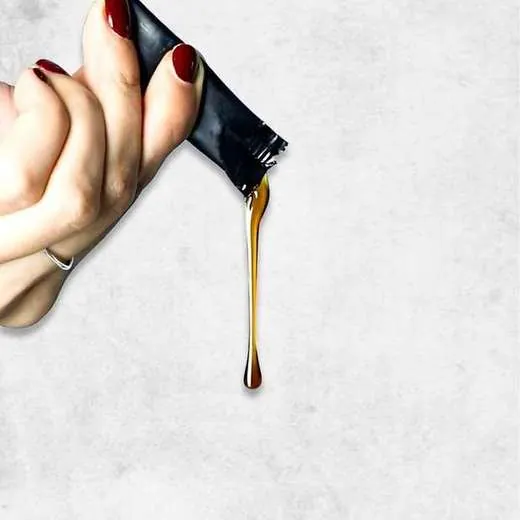
How to Start Your Own Honey Stick Brand in India: A Step-by-Step Guide
Honey sticks are one of the easiest wellness products to launch: simple ingredients, clear benefits and a premium format. Here is how to go from idea to a finished box, without setting up a factory.
Step 1: Choose your customer
Everything else follows from who you are selling to. A hotel buyer wants consistent quality and branded sticks for tea trays. A gym member wants natural pre-workout energy. A gifting company wants attractive assorted boxes. A D2C wellness customer wants a functional product such as Shilajit or Ashwagandha honey. Pick one primary customer for your launch.
Step 2: Pick your variants
Start with two or three variants rather than ten. Common starting points:
- Pure honey: Multifloral, Acacia, Litchi or Jamun.
- Flavoured honey: Ginger, Lemon, Cinnamon, Tulsi, Coffee.
- Functional honey: Shilajit honey sticks, Ashwagandha, Saffron.
Functional variants usually command the highest price, while pure and flavoured variants are easier to sell in volume.
Step 3: Confirm your licence route
This is the step most new brands get wrong. Plain honey is a food under FSSAI. Adding herbs, vitamins, caffeine or other functional ingredients can move a product into the FSSAI health supplement category, or into AYUSH if it is an Ayurvedic formulation. Confirm the route with your manufacturer before you design packaging. Our guide to FSSAI vs AYUSH licences explains the difference.
Step 4: Choose a manufacturer
You do not need your own plant. A private label honey stick manufacturer handles formulation, filling, sealing and packing under their licences. Look for certifications such as GMP, FSSAI and HACCP, in-house formulation, sampling before bulk production, and experience with stick filling specifically.
Step 5: Approve samples
Ask for samples of each variant. Check taste, colour, how easily the honey flows out of the stick, and how the stick feels in hand. This is also the time to finalise fill weight. Standard sticks are usually 5 g to 8 g.
Step 6: Design packaging
- Stick film: your brand name, variant and mandatory details on each stick.
- Retail carton: boxes of 10, 15 or 30 sticks are common.
- Gift packs: assorted boxes for festivals and corporate orders.
Make sure all mandatory label information is included and claims are compliant. Your manufacturer should review artwork before printing.
Step 7: Plan your first order
Your minimum order quantity will depend on variants, fill weight and packaging. Discuss MOQ early so your first order fits your budget, and consider launching with fewer variants to keep your first run economical.
Step 8: Sell
- Online: your own website, Amazon, Flipkart and quick-commerce platforms.
- B2B: hotels, cafés, gyms, corporate gifting and pharmacies.
- Social media: sticks are very visual. Short videos of tearing and squeezing a stick work well.
- Export: honey sticks travel well and suit international markets.
Common mistakes to avoid
- Printing packaging before confirming the licence route
- Launching too many variants at once
- Making health claims that are not permitted
- Choosing a supplier who trades rather than manufactures
- Skipping sample approval to save time
Start with Anmolveda
Anmolveda Wellness is a certified honey stick manufacturer in India with GMP, FSSAI, AYUSH, ISO, HACCP and HALAL certifications. We help first-time founders and established brands go from idea to finished product, including formulation, samples, licence guidance and packaging.