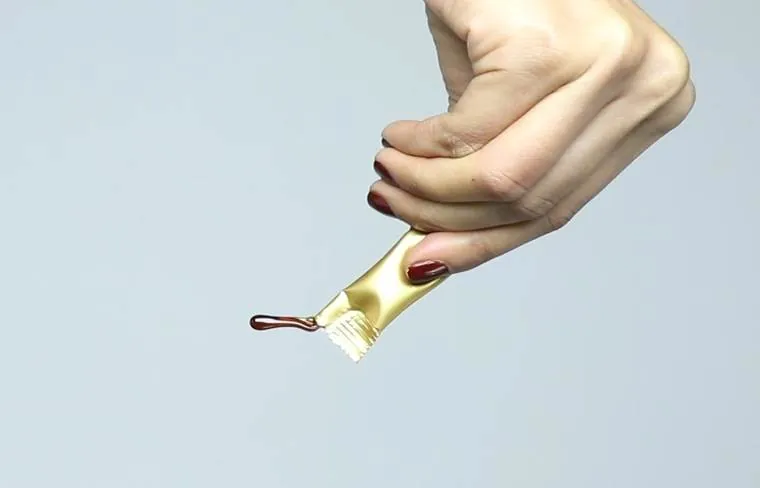
Honey-Based Energy Gels in India: The Natural Alternative for Endurance Athletes
Marathons, cycling events and triathlons are growing across India, and with them the demand for energy gels. Most gels are built on synthetic carbohydrates. Honey-based gels offer a natural alternative with a clean-label story.
What an energy gel does
During long efforts, usually anything over 60 to 90 minutes, the body's stored carbohydrate runs low. Athletes take energy gels to top up carbohydrate quickly without having to chew solid food. Widely cited sports-nutrition guidance suggests around 30 to 60 g of carbohydrate per hour for longer efforts, and more for very long events when mixed sugars such as glucose and fructose are used together.
How most gels are made
The majority of gels on the market use maltodextrin, glucose syrup or fructose as their carbohydrate, with flavours, acids, preservatives and sometimes caffeine and electrolytes. They work, but many athletes find them overly sweet, artificial-tasting or hard on the stomach in heat.
Why honey works as a gel base
Honey is naturally a concentrated mix of fructose and glucose, which is the same type of multi-sugar blend that sports scientists recommend for longer events. It is also familiar, trusted and easy to explain on a label. For a brand, that means:
- Clean label: honey can replace or reduce synthetic carbohydrate sources.
- Natural mix of sugars: fructose and glucose together, as nature provides.
- Taste: pleasant without needing heavy artificial flavouring.
- Cultural fit: honey is already part of Indian food and Ayurvedic tradition.
- Story: "natural honey energy" is easier to market than a chemical ingredient list.
Designing a gel for Indian conditions
Many imported gels are designed for cool climates. Indian athletes often train in heat and humidity, sweat more, and struggle with very thick gels. A well-designed Indian gel considers:
- Electrolytes: sodium and other electrolytes to support hydration in heat.
- Texture: slightly thinner gels are easier to swallow mid-race.
- Flavour: flavours that stay pleasant when the gel is warm.
- Caffeine options: a caffeinated version for the later stages of a race, within FSSAI limits.
- Sachet design: an easy tear-notch that sweaty hands can open.
Honey gel vs maltodextrin gel
| Factor | Honey-based gel | Maltodextrin gel |
|---|---|---|
| Carbohydrate source | Natural honey (fructose + glucose) | Processed starch derivative |
| Label story | Natural, clean label | Technical |
| Taste | Naturally sweet | Depends on flavouring |
| Ayurvedic add-ons | Easy to pair with Shilajit, ginger and other herbs | Less natural fit |
Adding Ayurvedic ingredients
Honey also pairs naturally with Ayurvedic ingredients, which gives Indian brands a story that global gel brands cannot copy. Gels can be developed with ingredients such as Shilajit, ginger or other herbs, subject to the correct regulatory route and dosing.
Regulatory route
Energy gels are generally sold under FSSAI regulations. The exact category depends on the formula and claims: caffeine levels, added vitamins or herbs and the claims you make all matter. Claims must stay within what FSSAI permits. A manufacturer who understands both FSSAI and AYUSH can tell you the right route before you finalise your formula and packaging.
Who should launch a honey gel
- Sports nutrition brands adding an endurance line
- Running clubs, coaches and event organisers wanting their own branded gel
- Ayurvedic and natural wellness brands entering sports nutrition
- Gyms and fitness chains
Launch with Anmolveda
Anmolveda Wellness manufactures natural honey and date-based energy gels for private label brands, along with honey sticks that many athletes already use as natural fuel. We handle formulation, taste trials, sachet packaging and label compliance.